
Need additional Info?

What Exactly Makes One Round Different From Another?
The Best Handgun Ammo for Self-Defense: Stop Threats Now
Handgun ammo is the heart of your firearm’s performance, transforming mechanical action into reliable stopping power when it matters most. By pairing the right bullet weight and powder charge to your specific handgun, you gain consistent accuracy and manageable recoil that builds confidence in every shot. Always choose quality rounds that feed smoothly and expand predictably, because trustworthy ammunition is your quiet partner in self-defense—giving you the peace of mind that your tool will perform exactly as you need it to.
What Exactly Makes One Round Different From Another?
What separates one handgun round from another is a precise balance of four physical elements: the bullet’s weight, its shape, the powder charge, and https://specialtysportsandsupplyltd.com/ the cartridge case length. Heavier bullets, like a 230-grain .45 ACP, deliver deep, sluggish penetration, while lighter 115-grain 9mm loads snap faster and flatten trajectory. Bullet nose profile—flat-point, hollow-point, or round-nose—dictates whether energy transfers suddenly or punches through, which changes terminal effect on target. The powder burn rate is critical: fast-burning powders spike pressure quickly for snappy recoil, whereas slower powders push a bullet with a sustained shove, altering perceived muzzle rise. Two rounds with identical caliber and grain weight can feel radically different purely due to primer sensitivity or case wall thickness. Ultimately, cartridge overall length determines chamber fit and feeding reliability—a few thousandths of an inch turns a smooth-feed round into a jam-prone one. No two loads are interchangeable until you test them in your barrel. Your gun’s rifling twist rate and barrel length will reward or punish each unique combination.
Breaking Down Caliber, Grain Weight, and Case Material
Caliber defines the bullet’s diameter and cartridge case length, dictating chamber fit and pressure limits—a 9mm Luger and .380 ACP share bullet width but not case volume. Grain weight measures projectile mass (e.g., 115gr vs 147gr in 9mm), altering recoil impulse and penetration depth: heavier grains subsonic, lighter grains faster-flatter. Case material—brass, steel, or aluminum—affects expansion, reloadability, and extraction; brass springs back for reliable cycling, while steel can gall in tight chambers. Matching grain weight to barrel twist rate ensures stabilization, and case wall thickness influences powder capacity for handloaders.
Caliber, grain, and case material work as one system: caliber sets geometry, grain tunes ballistics, and case material governs feeding reliability.
How Bullet Shape Affects Feeding and Accuracy in Your Pistol
Bullet shape determines how reliably your pistol cycles and where the round lands. A full metal jacket (FMJ) with a rounded ogive feeds flawlessly from most magazines, while a flat-nosed or hollow-point profile can snag on the feed ramp, causing stoppages. 6.5x57mm Mauser Ammo for Sale Bullet shape directly impacts both feeding reliability and terminal accuracy. For precision, a longer, tapered bullet like a spire-point offers a higher ballistic coefficient, but it may be too long for magazine depth. Conversely, a truncated cone profile balances reliable feeding with a clean, consistent strike on the target. Choosing a silhouette your specific barrel’s throat and magazine geometry accept is more critical than chasing theoretical ballistics. Test your chosen round for chambering and group size before trusting it for defense.
How Do You Match the Right Load to Your Specific Firearm?
You match the right load to your specific handgun by reading the barrel’s twist rate and the stamped caliber, then testing bullet weights that align with that rifling’s intended stabilization. A 1:10 twist might favor a 230-grain .45 ACP, while a 1:16 twist in a .38 Special often prefers lighter 125-grain rounds for tight groups. Your firearm’s recoil spring stiffness also dictates the power factor—a light Ammunition for Sale spring will batter with heavy +P loads, while a stiff spring won’t cycle target wadcutters.
The real match happens at the bench: fire five rounds of each candidate load, check for keyholing, and feel for slide velocity that’s snappy but not violent.
I once had a compact 9mm that only fed reliably with 124-grain flat-nose rounds, ignoring 115-grain ball ammo entirely—so your pistol’s feed ramp geometry, not just the box label, is the final judge.
Reading Your Barrel’s Twist Rate and Groove Diameter
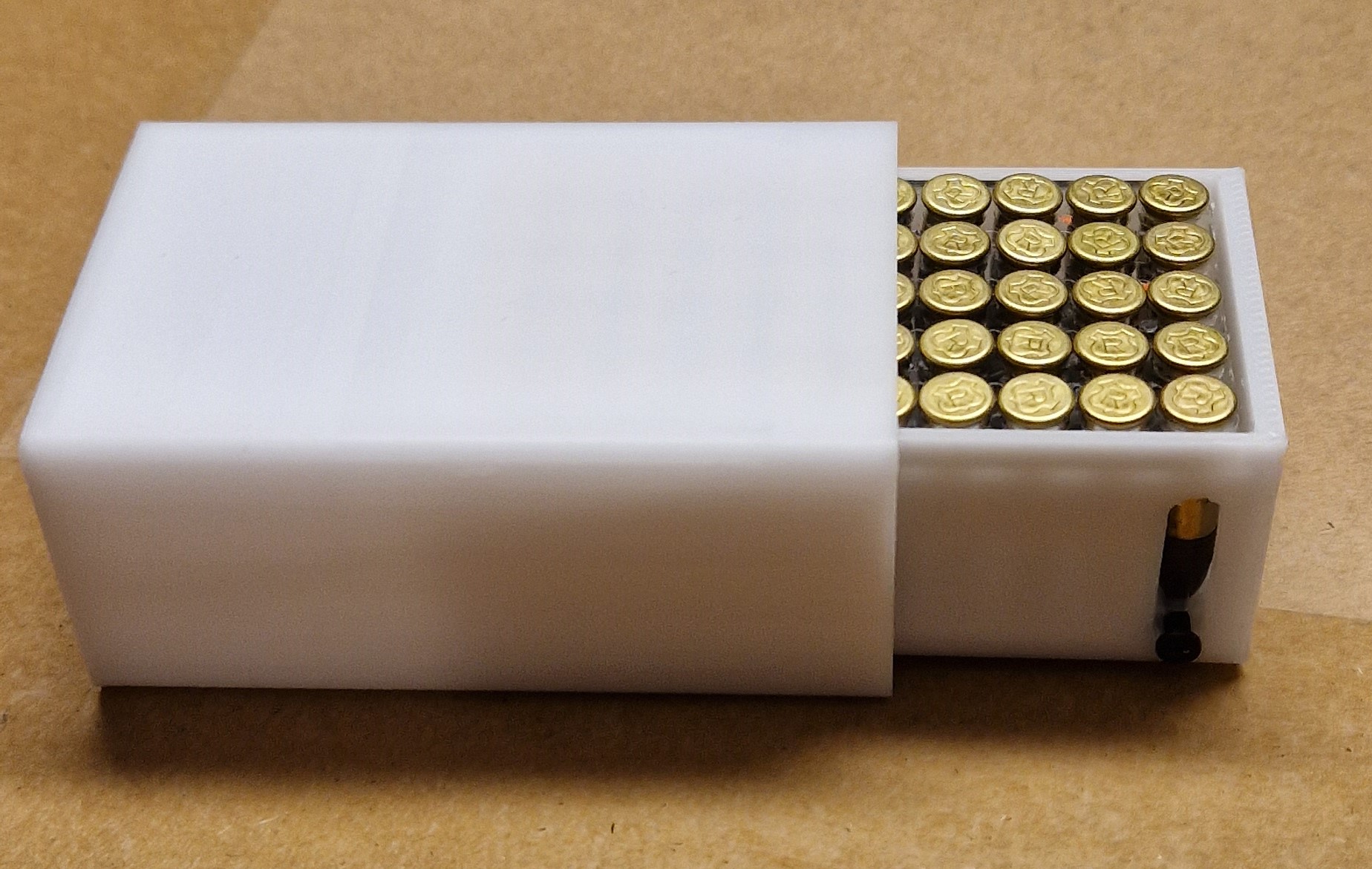
Reading your barrel’s twist rate and groove diameter is critical for matching handgun ammunition to barrel geometry. The twist 6.5x57R Ammo for Sale rate, expressed as inches per turn (e.g., 1:10), dictates bullet stabilization; a slower twist fails to stabilize longer, heavier bullets, while a faster twist can over-stabilize light loads, reducing accuracy. Groove diameter—the distance between opposing rifling lands—must align with bullet diameter; a mismatch causes excessive pressure or poor sealing. Measure groove diameter using a slug push-through, and confirm twist rate with a cleaning rod and marker. For precision:
- Slug the barrel to get exact groove dimensions.
- Mark a rod and measure one full bullet rotation.
- Cross-reference twist and diameter against bullet manufacturer’s suggested load range.
Why a +P or +P+ Rating Changes How the Cartridge Behaves
When a cartridge earns a +P or +P+ pressure rating, it pushes the internal ballistic envelope beyond standard SAAMI specs, which fundamentally alters how the load behaves in your handgun. The higher chamber pressure generates a faster, flatter trajectory and a sharper recoil impulse that reaches the shooter’s hand 6.5×55 Swedish Ammo for Sale more abruptly, impacting follow-up shot speed. This pressure spike also raises muzzle velocity, which increases bullet expansion reliability at longer distances and improves penetration through barriers. However, the stiffer slide velocity and peak bolt thrust accelerate frame wear, so recoil springs and locking lugs experience greater stress with each round fired. The net effect is a snappier, harder-hitting cartridge that compromises shooter comfort and component longevity for terminal performance gains.
What Are the Real-World Trade-Offs Between Jacketed Hollow Points and Full Metal Jackets?
When choosing handgun ammo, the core trade-off between jacketed hollow points (JHPs) and full metal jackets (FMJs) comes down to terminal effect versus penetration. JHPs expand on impact, dumping energy into soft tissue, which drastically reduces over-penetration risk—critical for home defense in apartments. However, they can under-penetrate through thick clothing or barriers, and their expansion is less reliable at very low velocities. FMJs, by contrast, offer deep, straight-line penetration and flawless feeding in any pistol, making them ideal for training and range practice. The real-world catch is that FMJs will punch through drywall and body panels with ease, a serious liability in a defense scenario. Expansion is the key variable: a JHP that fails to open behaves like a slow FMJ, so testing your specific load in your barrel is non-negotiable. For carry, JHPs win on safety; for cost and function, FMJs win.
Expansion Mechanics: What the Hollow Point Does Upon Impact
Upon striking soft tissue, the hollow point’s cavity fills with fluid, generating hydraulic pressure that forces the jacket petals to peel back symmetrically. This controlled deformation rapidly increases the bullet’s frontal diameter—often by 1.5 to 2 times its original caliber—which creates a temporary cavity and a larger permanent wound track. The key mechanism is rapid radial expansion, which transfers kinetic energy abruptly, limiting over-penetration by reducing residual velocity. Expansion is velocity-dependent; below roughly 900 fps, the hollow point may fail to open, acting like a blunt FMJ. Conversely, at high impact speeds, jacket-core separation can occur, reducing weight retention. The expanded shape also increases drag, slowing the bullet more quickly inside tissue, which is critical for stopping threats while minimizing collateral damage.
Q: At what impact velocity does a hollow point reliably begin to expand?
A: Most premium defensive hollow points require a minimum impact velocity of 900–1000 fps to initiate consistent petal deployment and achieve full expansion in ballistic gelatin or human tissue.
Penetration Depth vs. Over-Penetration Risk for Self-Defense Loads
For self-defense loads, penetration depth versus over-penetration risk dictates bullet choice. The FBI-standard of 12–18 inches in ballistic gel ensures vital organ disruption, but rounds exceeding this depth risk exiting a target. A jacketed hollow point typically expands, increasing drag and limiting penetration to around 14 inches, reducing bystander danger. Conversely, a full metal jacket lacks expansion, often penetrating 24 inches or more, creating a high over-penetration hazard in home environments. Concealed carriers should prioritize JHPs with verified expansion, as they offer a practical balance—deep enough to neutralize a threat, yet shallow enough to remain inside a body. Over-penetration is not merely a liability; it’s a trajectory you cannot control after impact.
How Do You Pick the Ideal Bullet Weight for Recoil Management and Shot Placement?
Choosing the ideal bullet weight for handgun ammo is a balancing act between managing recoil and ensuring precise shot placement. Lighter projectiles, like 115-grain loads in 9mm, generate less felt recoil, allowing for faster follow-up shots and quicker target reacquisition. Heavier bullets, such as 147-grain, produce a softer, more deliberate push rather than a sharp snap, which can enhance control for some shooters. To find your sweet spot, test a ladder of weights from the same brand, focusing on which load keeps your sights aligned naturally. Your grip strength and hand size matter; if you flinch or grip tighter to compensate, the weight is wrong. The ultimate goal is a round that lets you maintain a smooth trigger press and consistent sight picture, because a heavier bullet you can’t control is worse than a lighter one you can place perfectly.
Lighter Bullets for Faster Follow-Up Shots vs. Heavier Bullets for Barrier Penetration
Choosing between lighter bullets for faster follow-up shots versus heavier bullets for barrier penetration hinges on your primary threat scenario. A 115-grain load in 9mm produces less felt recoil and a snappier cycle, allowing you to reacquire your sights and place a second or third round on target with minimal disruption to your grip. Conversely, a 147-grain subsonic projectile retains momentum and structural integrity when striking auto glass, drywall, or heavy clothing, ensuring the bullet reaches the torso rather than fragmenting prematurely. If your environment involves vehicle defensive shootings, accept slower recoil recovery for reliable penetration; if you prioritize speed in a home defense context, lighter loads win.
Q: Are lighter bullets always faster for follow-up shots?
Not universally—your pistol’s recoil spring and grip strength also matter, but lighter bullets reduce muzzle rise impulse, making controlled pairs easier for most shooters.
Matching Grain Weight to Your Pistol’s Recoil Spring for Reliable Cycling
Your pistol’s recoil spring is tuned to a specific slide mass and muzzle energy, so matching grain weight to your recoil spring is the secret to flawless cycling. A too-light 115-grain load in a gun built for 124-grain NATO pressures can leave the slide short-stroking, failing to strip the next round. Conversely, a stiff spring paired with hot 147-grain loads can slam the slide forward too fast, causing feeding jams. The practical move: test your chosen grain weight and watch where the brass lands—ejecting weakly means you need a lighter spring, while violent flinging means go heavier or switch loads. A simple 20-round drill per weight reveals the sweet spot for your specific gun.
Q: Can I just swap springs instead of matching grain weight?
A: Sure, but you’re solving the wrong problem—changing springs alters felt recoil and can mask a bad load. Matching grain weight to your existing spring keeps your pistol’s timing and your grip mechanics consistent, making reliable cycling a predictable, repeatable outcome.
What Are the Key Signs of Quality in a Factory Load or a Handload?
For handgun ammo, **key signs of quality in a factory load or a handload** begin with case integrity: inspect for split necks, bulged heads, or primer pockets that resist seating. A quality round shows consistent cartridge overall length (COAL) within 0.002–0.003 inch, and a crimp that’s firm but not collapsed—check by pressing the bullet tip against a hard surface; it must not move. Weigh a sample of bullets; variance under 0.2 grain indicates uniformity. In factory ammo, look for clean, uniform primer seating flush with the case head, while handloads should exhibit the same, plus no visible lube residue. Fire five rounds; tight, reproducible groups and .338 Lapua Ammo for Sale consistent velocity (under 15 fps standard deviation) confirm **reliable quality in handgun ammunition**.
Checking Seating Depth and Crimp Consistency for Consistent Ignition
For consistent ignition in handgun ammunition, seating depth and crimp consistency govern primer sensitivity and powder burn. A variation in seating depth alters case volume, directly shifting pressure curves; deeper .35 Remington Ammo for Sale bullets spike pressure, while shallow ones cause erratic velocity. Crimp tension must be uniform to prevent bullet jump under recoil, which changes the distance the bullet travels before engaging the rifling. Check seating depth with a caliper across multiple cartridges, measuring from case head to bullet ogive. For crimp, measure the case mouth diameter after crimping—consistent results within 0.001 inch indicate proper neck tension. Inconsistent crimp can lead to setback, reducing case volume and raising pressure unpredictably. The bullet’s resistance to seating force, felt during loading, also signals uniformity. Ignition reliably occurs when every round’s primer receives the same resistance profile from the seated bullet and case neck.
Uniform seating depth and crimp tension ensure each round’s internal volume and bullet pull remain constant, producing predictable ignition and safe pressure levels.
Chronograph Data: What Muzzle Velocity and SD Tell You About a Box
When you run a box of handgun ammo over a chronograph, **muzzle velocity and SD tell you about a box**’s consistency and real-world punch. A tight standard deviation (under 15 fps for most loads) means the powder charge and bullet weight are uniform, which translates to predictable point of impact and reliable expansion. A wild SD—say, 40 fps—shows sloppy manufacturing or handloading, often causing fliers and pressure spikes. Muzzle .32 ACP Ammo for Sale velocity also verifies the box matches its advertised speed; if it’s 100 fps slow, you’re losing energy and possibly short-stroking your slide. Always shoot at least 10 rounds to get a meaningful average and SD, not just three.
Q: What is a good SD for handgun ammo?
A: For factory loads and careful 6.8 SPC Ammo for Sale handloads, an SD under 15 fps is excellent; under 20 is acceptable for most purposes. If your SD climbs past 30, that box is inconsistent—expect accuracy and velocity issues.
How Should You Store and Maintain Your Ammunition to Preserve Performance?
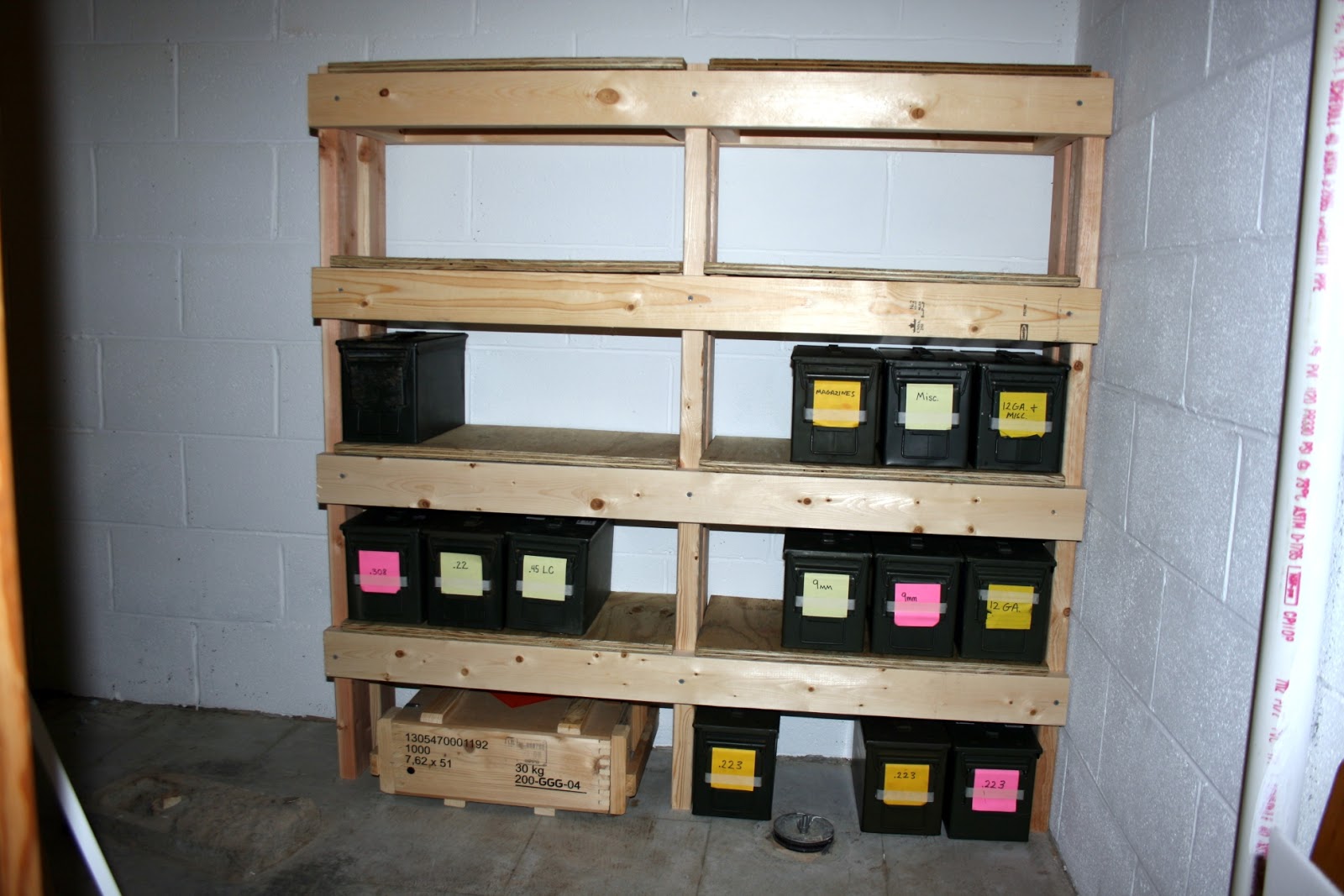
Store handgun ammo in a cool, dry place, ideally between 55–75°F, with low humidity to prevent primer corrosion and powder degradation. Keep rounds in their original factory boxes or a sealed ammo can with desiccant packs, avoiding loose bulk storage where brass can dent or primers get knocked. Rotate your carry ammunition every 6–12 months, as repeated chambering can set the bullet deeper into the case, causing pressure spikes. Wipe down cartridges with a dry cloth before loading to remove oils that attract dirt, and never lubricate rounds—lube seeps past the primer pocket and kills ignition. **How should you store and maintain ammunition to preserve performance?** Inspect for tarnish, cracks, or loose bullets; discard any that fail the “shake test.” For long-term storage, a 50-caliber can with a rubber gasket outperforms plastic, but always label it with the load date.
Temperature and Humidity Effects on Primer and Powder Longevity
Temperature and humidity directly dictate primer and powder longevity, making climate control your primary defense against degradation. High humidity accelerates moisture absorption into the primer compound and propellant grains, fostering corrosion and a dulled, inconsistent burn that undermines ballistic predictability. Conversely, extreme heat above 120°F can volatilize stabilizers .32 Win Special Ammo for Sale in smokeless powder, shortening its usable life and increasing pressure spikes. For handgun ammo, the **optimal storage environment for primers and powder** remains a cool, dry space with stable temperatures between 50–70°F and relative humidity below 50%. Always seal ammo in airtight, desiccant-packed containers to isolate it from seasonal swings, ensuring your rounds retain factory-fresh ignition and velocity for years.
Rotating Your Carry Ammo: When to Replace and How to Test Fresh Rounds
Rotating your carry ammo is a discipline tied to setback, moisture, and primer sensitivity, not a calendar ritual. Replace rounds that have been chambered repeatedly, especially after more than two or three unloads, since bullet setback from the feed ramp can spike pressure. Swap out any cartridge exposed to sweat, humidity, or significant temperature swings, and retire carry loads after six months of pocket or holster carry. To test fresh rounds, fire your new batch through the actual carry gun, confirming zero shift and reliable extraction, while saving the spent casings to inspect for pressure signs like flattened primers. Only a rotation that includes unfired control rounds tells you whether your carry load performs identically to your practice lot. Verify feeding from full and partial magazines, and trust a batch only after it cycles without a single malfunction across fifty rounds.